

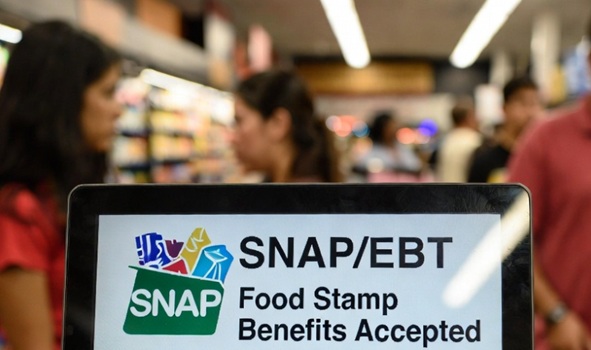
An estimated 160,000 to 196,000 Massachusetts residents have lost Supplemental Nutrition Assistance Program benefits since mid-to-late 2025, driven largely by new federal eligibility rules and administrative challenges at the state level.
State data and advocacy organizations show SNAP participation has dropped by roughly 15 to 17 percent. MassLive reported about 160,000 fewer residents, including nearly 60,000 children, since the new rules took effect. Project Bread has estimated nearly 196,000 people, including about 70,000 children, lost benefits following the passage of the One Big Beautiful Bill Act in July 2025. USDA figures showed a decline of approximately 183,800 recipients between July 2025 and July 2026.
Local impacts have been significant. Boston lost about 25,500 residents from the program, while New Bedford and Fall River together saw nearly 12,000 people removed.
The primary driver is the One Big Beautiful Bill Act, which expanded work requirements and changed immigration eligibility. More adults, now up to age 64, and parents or caregivers of children age 14 and older must document roughly 80 hours of work or training per month to remain eligible. Previous exemptions for veterans, people experiencing homelessness, and former foster youth were eliminated. State estimates indicated about 99,000 to 100,000 Massachusetts residents would newly face these rules.

The law also ended SNAP eligibility for certain legally present non-citizens, including refugees, asylees, and survivors of human trafficking, affecting an estimated 9,500 to 10,000 people in the state. Undocumented immigrants were unaffected, as they have never qualified for the program.
Administrative difficulties have compounded the losses. The Department of Transitional Assistance has faced severe understaffing, with reports that 74 to 81 percent of calls to its assistance line went unanswered in the first half of 2026. Additional paperwork and verification requirements have made it harder for some households to complete recertifications. A class-action lawsuit filed by the Massachusetts Law Reform Institute has alleged that disconnected calls contributed to wrongful terminations or reductions.
Some of the earlier decline also reflected the expiration of temporary COVID-era eligibility expansions. Changes are being applied on a rolling basis as households reach their annual recertification dates. Temporary federal funding disruptions in late 2025 briefly delayed benefits, but payments have since returned to normal schedules for those who remain eligible.