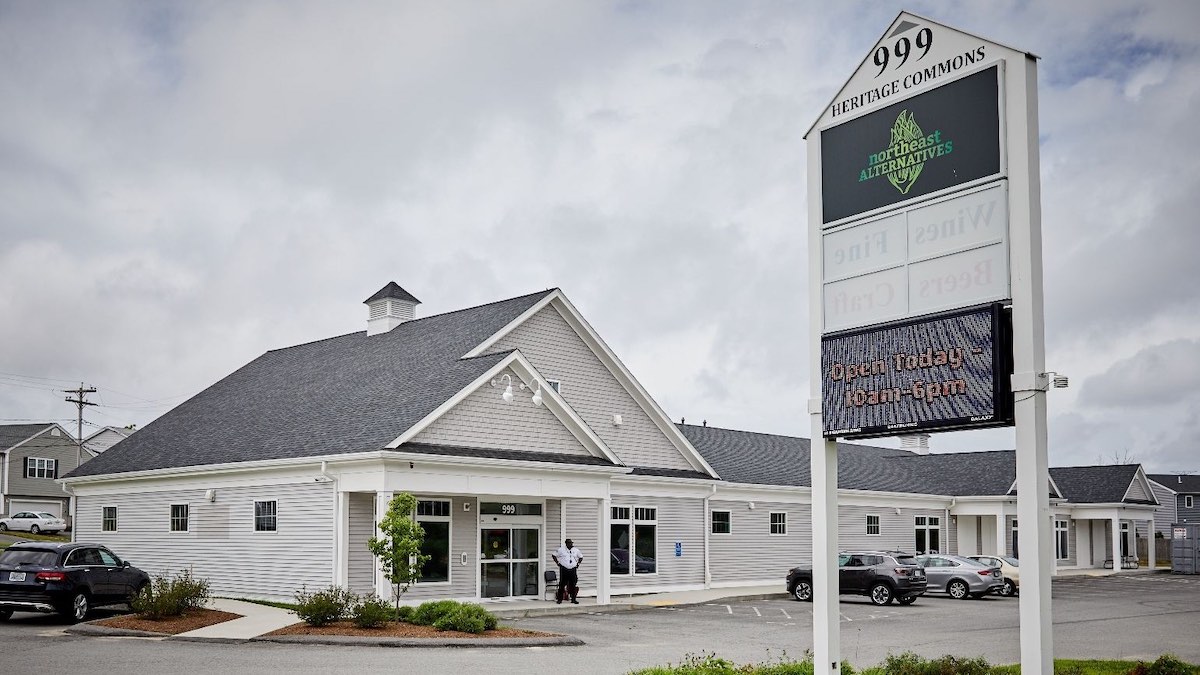
The City of Fall River has filed an answer and counterclaim in response to a lawsuit brought by Northeast Alternatives, Inc., the cannabis company that operates a dispensary and related facilities at 999 William S. Canning Boulevard and is seeking the return of more than $4.6 million in community impact fees.
Northeast Alternatives filed its First Amended Complaint in Bristol Superior Court earlier this month, alleging that fees totaling $4,604,235.19 paid between April 2019 and September 2022 under its Host Community Agreement and a December 2018 amendment were unlawful. The company claims the fees were flat percentage-based charges on gross sales (initially 4%, later reduced to 3%) plus annual $50,000 payments and an additional purported local excise tax, with no documentation tying them to actual municipal costs as required by Massachusetts General Laws Chapter 94G. Northeast Alternatives says it repeatedly requested cost records during annual license renewals but received no substantive responses from the city. It seeks damages, a declaration that the fees were unlawful, reimbursement with interest, and attorneys’ fees.
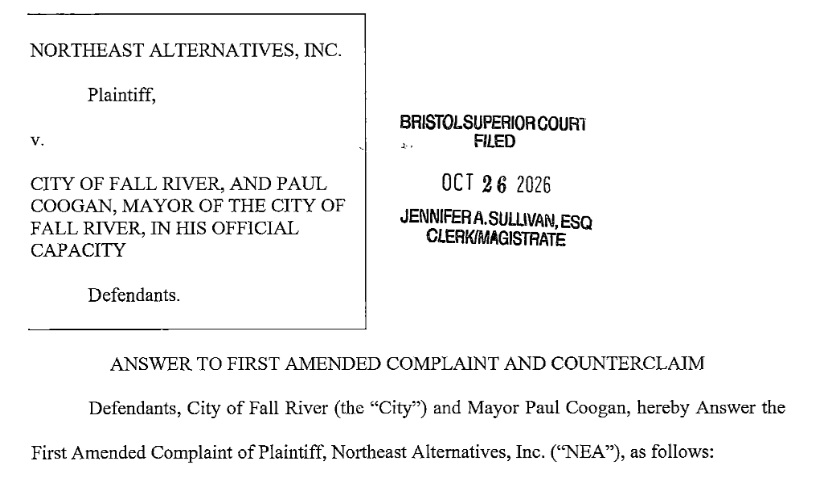
In its Answer to the First Amended Complaint and Counterclaim, filed Monday, the city and Mayor Paul Coogan deny that the fees were unlawful or that Northeast Alternatives is entitled to any refund. The city asserts that the agreements speak for themselves and that the fees were reasonably related to costs imposed by the company’s operations. It further argues that amendments to Chapter 94G in November 2022 do not apply retroactively to the earlier agreements and payments.

The city also brings a counterclaim for breach of contract. It states that Northeast Alternatives ceased making certain required payments under the Host Community Agreement in or about 2022, even as it sought a new agreement. The city claims it sustained damages from the unpaid amounts and seeks judgment, damages to be determined at trial, interest, and costs. The city has retained the New Bedford firm Mead, Talerman & Costa to represent it in the case.
Both sides have demanded a jury trial. The dispute centers on Host Community Agreements executed in 2018 during the administration of former Mayor Jasiel Correia II, who was later convicted in a separate federal case involving cannabis-related matters. The Cannabis Control Commission later notified the city that aspects of the agreement were noncompliant with state law and needed revision.