A federal judge has entered a default judgment of liability against Miss Lizzie’s Coffee and its owner, Joseph Pereira, in a trademark lawsuit brought by the operators of the Lizzie Borden House, but denied the plaintiff’s requests for an injunction, profits, damages, and costs.
In a filing released on Thursday, U.S. District Judge Leo Sorokin allowed in part and denied in part US Ghost Adventures’ motion for default judgment. The court found Pereira and the LLC liable for trademark infringement and unfair competition as a matter of law because of the default. It also ordered them to pay $31,207 in attorneys’ fees as a sanction for repeated failures to comply with discovery orders and court directives. All other requests for relief were denied.
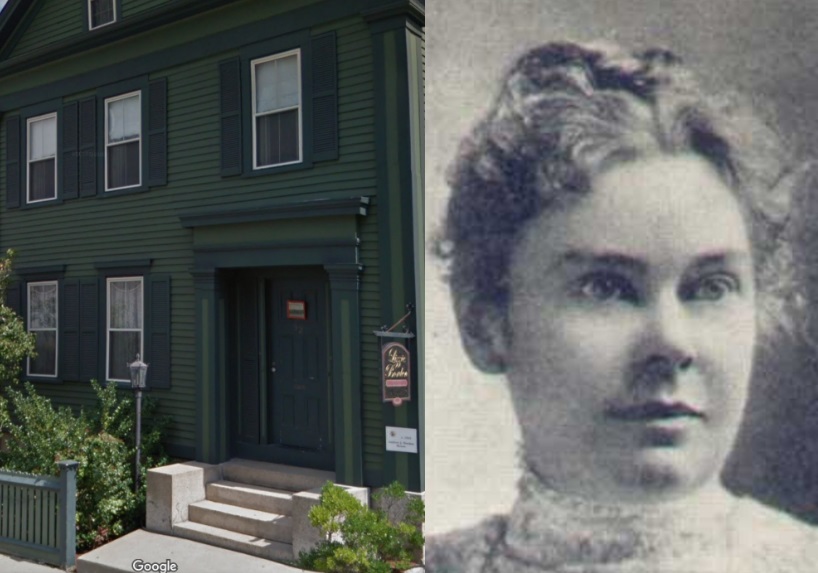
US Ghost Adventures, which runs the museum and bed-and-breakfast at the Lizzie Borden House, sued in September 2023 after Pereira opened Miss Lizzie’s Coffee next door on Second Street. The suit alleged infringement of the “Lizzie Borden” name and a hatchet logo. The court earlier denied a preliminary injunction and then affirmed the ruling.
“Miss Lizzie’s hatchet was not similar to [US Ghost’s] mark.” Id. Second, Miss Lizzie’s was not using the “Lizzie Borden” mark for which US Ghost has a service mark, and there was no evidence that the mark had attained a “secondary meaning.”

Pereira represented himself after defense lawyers withdrew. The LLC was defaulted after more than six months without counsel. Pereira was later defaulted for failing to produce discovery despite several warnings, including responses the court called “woefully inadequate.”
On relief, the judge declined a permanent injunction, noting the coffee shop recently moved and that US Ghost Adventures had not shown irreparable harm or that continued use of the marks would cause confusion. He also denied claims for $63,000 in estimated profits, $95,000 in lost business, and $50,000 in other costs, ruling that the businesses are not direct competitors.
The judge stated that he reached the liability finding reluctantly, given the earlier rulings that the trademark claims had little merit, but the law required it due to the default. He only awarded attorneys’ fees for the period when the defendants’ noncompliance delayed the case.