By Reid Wilson.
The headache of sifting through fine print, waiting for hours on hold or battling with an artificial intelligence chatbot just to cancel a subscription may soon be a thing of the past.
Lawmakers in seven states this session have approved bills to require companies to simplify the process by which a consumer can cancel a membership. The so-called “click to cancel” bills typically require those companies to make it as easy to cancel a subscription as it is to sign up.
“Companies design cancellation to be hard on purpose. People are forgetting to cancel. They’re being trapped,” Louisiana Rep. Vincent Cox, a Republican, said when he presented his state’s version of the bill. “If it takes one click to sign up, it should take one tick to cancel.”
Gov. Jeff Landry, a fellow Republican, signed the bill in June. California Gov. Gavin Newsom, a Democrat, signed the latest iteration last week. Governors in Arkansas, Colorado, Maine, Maryland and Virginia also signed versions. Similar bills remain alive in Illinois, Michigan and Pennsylvania.
The bills come as an increasing number of businesses switch to subscription service plans. Cox cited printer manufacturers who require subscriptions for ink delivery, along with the explosion of online news outlets and entertainment options that require subscriptions.
“We do live in an era right now that’s being called subscription creep, where a number of products are being converted into subscription-based services,” Colorado Rep. Yara Zokaie, a Democrat, said last year when she introduced her state’s version.
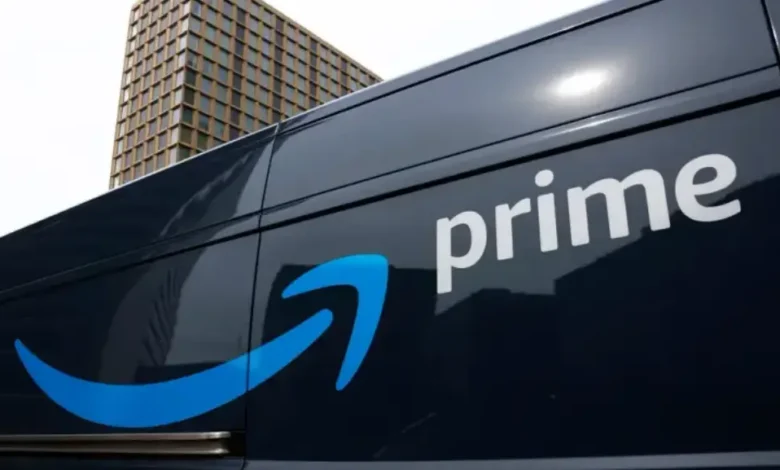
Some of those companies, for whom customer retention is a critical business metric, make cancelation difficult on purpose. In November 2025, Amazon reached a settlement with the Federal Trade Commission after allegedly intentionally making it difficult to cancel Prime memberships — an effort known internally as Project Iliad, a reference to the 10-year-long siege of Troy.
The FTC published final click-to-cancel rules under the Biden administration, in October 2024. The Eighth Circuit Court of Appeals ruled the following year that the FTC had failed to follow proper procedures in publishing the rule. A few months later, the Trump administration blocked the rule.
Versions of the click-to-cancel bills approved this year require varying levels of disclosure and reminders to consumers. The Arkansas version requires businesses to give consumers annual reminders before their subscriptions are renewed. Maine’s version applies to both subscriptions and health club memberships.

Tennessee’s version, which has not yet been passed, would ban companies from collecting payment information for free trials.
Most versions give enforcement authority to the state attorney general’s office.
The measures’ supporters say they will save consumers both time and money. Though national estimates of savings are scarce, the Roosevelt Institute estimated New York City’s new click-to-cancel law, which took effect last week, would save consumers up to $162 million per year — along with 600,000 hours that would have otherwise been spent trying to cancel subscriptions.
“Sometimes companies make it easy to sign up for subscriptions online, but a little more difficult to cancel. Sometimes that’s intentional. Sometimes it’s not,” Virginia Del. Atoosa Reaser, a Democrat, said as she presented her state’s version of the bill. That bill passed unanimously.
Some business groups have raised objections on legal grounds, pointing to the federal court ruling that struck down the FTC rule. David Edmonson, senior vice president of state and government relations at TechNet, said Virginia’s law “goes well beyond state-level consensus standards, with overly burdensome requirements and penalties even for companies that make good-faith efforts to comply.”
“Instead of heavy-handed mandates, policymakers should focus on targeted measures that address genuinely deceptive practices and allow companies to continue offering pro-consumer subscription-based services,” Edmonson said.
NetChoice, the internet industry trade association, said the New York City law would create an undue burden on businesses. What’s more, the group said, introducing a single click-to-cancel requirement would cost consumers who use cancellation to negotiate with companies for better deals.
“While Americans across the nation, and particularly in [New York City], continue to experience an unprecedented cost-of-living crisis, it is imperative that local, state and federal governments do all they can to lower costs for consumers,” the group wrote in testimony to the Department of Consumer and Worker Protection.
But lawmakers said the pain any business feels is offset by the time and money saved by consumers. Zokaie said an estimated one-third of consumers pay for a subscription they do not realize they had.
“Automatic renewal without easy cancellation isn’t convenience,” Louisiana’s Cox said. “We believe it’s coercion.”