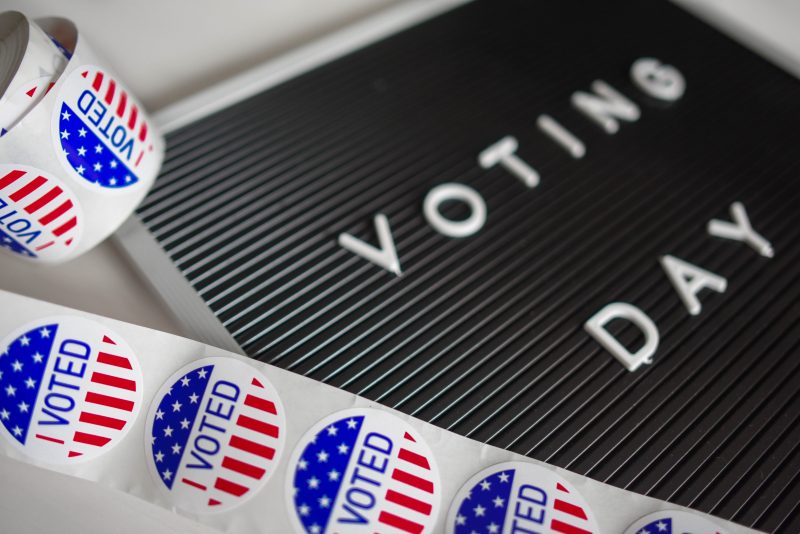

Question 8 on the November 3, 2026 Massachusetts ballot asks voters whether to repeal the state’s recreational marijuana system. A “Yes” vote would shut down licensed adult-use sales and home cultivation while keeping medical marijuana and limited personal possession. A “No” vote would leave the current legal market in place.
This repeal is not a small technical tweak. It would be the first time any U.S. state voted to unwind a recreational cannabis market after it was already operating. Massachusetts legalized adult-use marijuana in 2016 through Question 4. Licensed shops opened in 2018. Since then the market has grown into a multi-billion-dollar industry with state and local tax collections measured in the hundreds of millions of dollars a year.
There are 27,000 employees working in the cannabis industry in the state and Massachusetts Cannabis Control Commission officials have stated that repeal of the adult-use industry “could eliminate thousands of jobs, hundreds of businesses and billions in tax revenue.” Given that roughly 15,000 unique employees and the large majority of the ~20,000 registered agents work in adult-use operations, most of those positions would be at risk.
The measure’s formal name is “An Act to Restore a Sensible Marijuana Policy.” It is an initiated statute, meaning voters—not the Legislature—would enact it if it passes.
What current law allows
Under present Massachusetts law, adults 21 and older may buy marijuana from licensed retailers, grow a limited number of plants at home (generally up to six plants, with household limits), and possess larger amounts at home than they may carry in public. Recreational sales are regulated by the Cannabis Control Commission and taxed at the state and local level. Medical marijuana, legal since the early 2010s, operates as a separate program and is not taxed the same way.
Recent legislation also expanded some possession limits. That context matters because Question 8 would roll several of those rights backward, not just close storefronts.
What Question 8 would change
If approved, the measure would repeal the two core chapters of state law that govern recreational marijuana: Chapter 94G (regulation of adult-use possession, cultivation, and sales) and Chapter 64N (the marijuana tax). Medical marijuana would remain legal.
The practical effects would include:
- No licensed recreational sales. Existing adult-use shops, cultivators, and related businesses would lose the legal framework that allows them to sell to the general public. The proposal includes a transition path: operators could apply to convert into medical dispensaries or sell remaining inventory to medical licensees.
- No legal home cultivation for non-medical use. The current right to grow plants at home would be repealed.
- Limited personal possession would remain. Adults 21 and older could still possess one ounce or less of marijuana (with a cap of five grams of concentrate) without civil or criminal penalty, and could gift that same amount to another adult 21 or older. Possession of more than one ounce but not more than two ounces would be a civil offense: a $100 fine plus forfeiture of the marijuana. It would not be a crime.
- Rules for people under 21 would tighten in a different way. Possession of up to two ounces would be a civil infraction, typically a $100 fine, forfeiture, a drug-awareness program, and community service, with parental notification if the person is under 18. Failure to complete the program could raise the fine substantially.
- Taxes on recreational sales would disappear. That means the state and participating cities and towns would lose the revenue stream tied to adult-use sales.
- Advertising and transfers to minors would be restricted. The measure would prohibit advertising transfers of marijuana and bar transfers to anyone under 21.
What a Yes vote means
A Yes vote is a vote to pass the initiative.

It means you want Massachusetts to:
- end legal retail sales of recreational marijuana;
- end legal home growing for adult use;
- keep medical marijuana;
- keep possession of one ounce or less legal for adults 21+;
- treat 1–2 ounces as a civil fine for adults, not a crime;
- impose a civil process plus education requirements for under-21 possession of small amounts;
- eliminate recreational cannabis taxes.
What a No vote means
A No vote is a vote to reject the initiative.
It means you want Massachusetts to keep:
- licensed recreational stores;
- home cultivation under current limits;
- the existing tax-and-regulate system;
- current possession and household storage rules;
- the Cannabis Control Commission’s authority over the adult-use market.
Opponents, including the industry-backed Stop the Repeal campaign, argue that repeal would destroy thousands of jobs, erase hundreds of millions in annual tax revenue used for public health and local budgets, push consumers back toward an unregulated street market, and abandon the testing, labeling, and age-control systems that exist today. They also note that no other state has reversed an operating adult-use market and warn that a close or successful repeal could encourage similar campaigns elsewhere.
What the question does not do
Voters should be clear about the limits of the proposal:
- It does not ban medical marijuana.
- It does not make possessing a small amount a felony.
- It does not automatically convert every recreational customer into a medical patient. Medical access still requires a qualifying condition and a provider certification.
- It does not legalize public consumption or impaired driving; those remain illegal either way.
- It does not leave current shops operating indefinitely if the measure passes. The commercial recreational market would be dismantled after the transition period.
That last point is the source of much confusion. Some people hear “possession stays legal” and assume stores stay open. They would not. Legal possession without legal supply is the core design: adults could hold a small amount, but they would have no licensed place to buy it unless they qualify for the medical program.
Why the wording on the ballot matters
Massachusetts ballot questions are often summarized in compact official language. The Attorney General’s summary, later upheld by the Supreme Judicial Court, emphasizes that the proposal would change how much marijuana people may legally possess by repealing the laws that legalize, regulate, and tax adult recreational sales.
That summary is accurate as far as it goes, but it is easy to miss the scale of the change. The heart of the 2016 law was not only possession. It was a regulated marketplace: licensed growers, testers, retailers, taxes, local opt-out rules, and home cultivation. Question 8 repeals that architecture.
The choice in one sentence
Vote Yes if you want Massachusetts to close the recreational market and keep only medical sales plus limited personal possession.
Vote No if you want the current legal, taxed, and regulated adult-use system to continue.