
latest
Massachusetts Municipal Association, Wu want to loosen or fully repeal Proposition 2½ (local annual property tax limits of 2.5%)

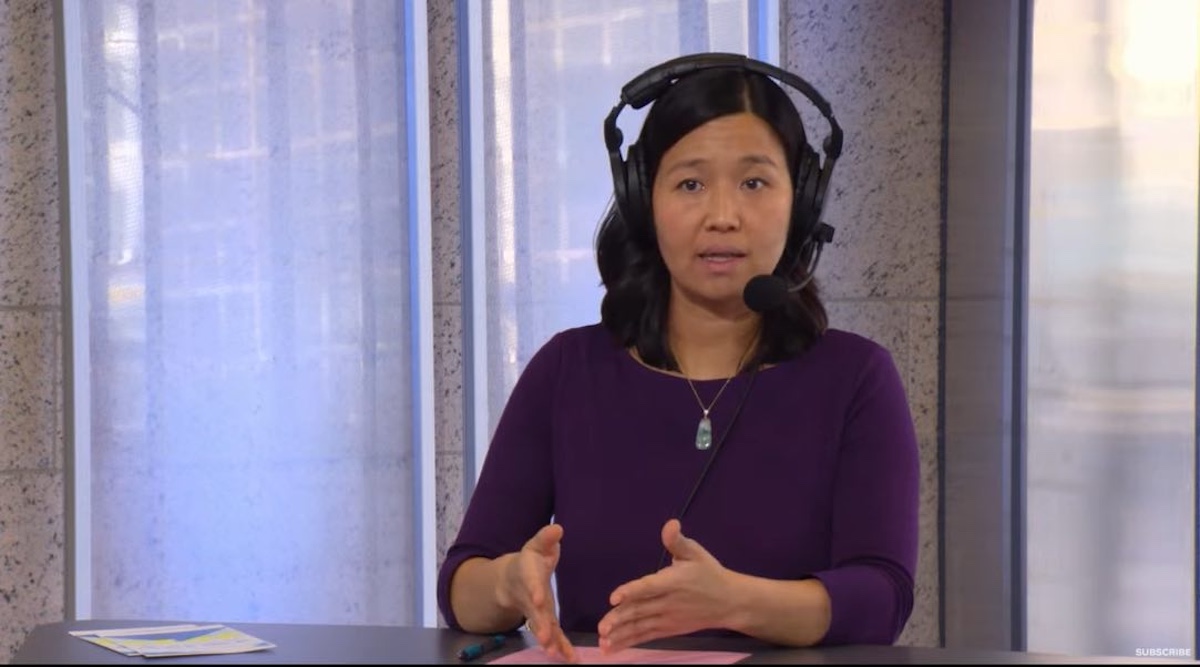
In Massachusetts, few laws have shaped local government and homeowner finances as profoundly as Proposition 2½. Passed by voters in 1980, this landmark taxpayer protection measure caps how much cities and towns can raise through property taxes each year. Yet in recent years—amid inflation, rising service costs, and strained municipal budgets—a growing movement has emerged to loosen its constraints. Led by groups like the Massachusetts Municipal Association (MMA) and figures such as Boston Mayor Michelle Wu, these efforts seek greater flexibility for local governments. While proponents argue it would help fund essential services without repeated voter battles, critics warn that easing the limits could erode the very safeguards designed to shield property owners from unchecked tax hikes. Understanding the proposal requires first grasping what Proposition 2½ is, why it was created, and the tensions driving today’s reform push.
At its core, Proposition 2½ (codified in M.G.L. Chapter 59, Section 21C) imposes two key limits on the property tax “levy”—the total revenue a municipality can collect from real and personal property taxes. First, there is the levy ceiling: no community can raise more than 2.5% of the total full and fair cash value of all taxable property within its borders. Second, and more restrictive in practice, is the levy limit: the amount of taxes raised can increase by no more than 2.5% over the previous year’s levy, plus any “new growth” from construction, renovations, or other additions to the tax base. These caps were revolutionary when enacted. Before 1982 (when the law took effect), property taxes had spiraled out of control during the 1970s due to double-digit inflation, soaring home values, and aggressive local spending. Towns could reassess properties dramatically and hike rates without direct voter input, leaving many homeowners—especially seniors and middle-class families—facing bills that threatened their ability to stay in their homes.
Proposition 2½ exists precisely to protect property taxpayers. It was born from the “tax revolt” era, spearheaded by Citizens for Limited Taxation, and mirrored similar measures in California and elsewhere. The law forces fiscal discipline: municipalities must prioritize spending, seek efficiencies, or turn to state aid and other revenues before automatically passing costs to homeowners. Crucially, it empowers voters. To exceed the 2.5% annual cap for ongoing operations, a town must win voter approval for an “override”—a ballot question specifying the dollar amount and purpose (e.g., schools or public safety). Temporary spikes are allowed via “debt exclusions” for capital projects like new schools or roads, which expire once bonds are paid. This voter veto power was intentional: it prevents politicians from quietly raising taxes and ensures that significant increases reflect community consent rather than bureaucratic fiat. As a result, Massachusetts property taxes have remained relatively stable compared to unchecked growth elsewhere, preserving affordability in a high-cost state.
Today, however, many local officials argue that the law’s rigidity no longer fits modern realities. Post-pandemic inflation, skyrocketing employee benefits, housing shortages, and declining state aid relative to needs have left cities and towns squeezed. The MMA, representing all 351 municipalities, has formally recommended reforms to give towns more breathing room. Their proposals include allowing voters to approve permanent or temporary increases to the 2.5% levy growth rate—perhaps tied to the Consumer Price Index or a local economic metric—rather than being locked at 2.5%. They also advocate for multi-year, phased-in overrides to avoid “tax shocks” from one-time big jumps. Mayor Wu has gone further, publicly calling for outright repeal of Proposition 2½, claiming it ties cities’ hands and prevents responsive budgeting. In Boston and other communities facing sharp reassessment-driven hikes (especially commercial properties), these frustrations have intensified. Local examples abound: Malden voters recently faced their first-ever override question in 2026 to fund services beyond the cap.

Supporters of loosening the law frame it as pragmatic evolution, not a giveaway. They note that overrides already exist as a safety valve, but repeated ballot fights are cumbersome and politically risky. Greater flexibility, they say, would let towns adapt to economic indicators (like CPI, which has often exceeded 2.5% in recent years) and avoid service cuts or deferred maintenance on schools and roads. The MMA pairs this with calls for more unrestricted state aid—up to $351 million more—to offset local burdens without solely relying on property taxes. In their view, Proposition 2½ was designed for a different era; updating it preserves local control while acknowledging that taxpayer protection should not come at the expense of basic services.
Opponents, including taxpayer advocates and groups like the Tax Foundation, counter that the law is working as intended and that loosening it risks a slow erosion of protections. They point out that Massachusetts remains a high-tax state overall, and removing the automatic 2.5% cap could open the door to sustained double-digit increases if local officials lack discipline. Overrides already provide a democratic check—voters can approve them when needs are clear—and full repeal (as Wu suggests) would strip away that voice entirely after one initial vote. Data shows the law has not prevented necessary spending; communities routinely use new growth and exclusions effectively. Critics also highlight that broader solutions—like increasing state aid or exploring local-option taxes for meals and lodging—address root causes without undermining the taxpayer safeguard that has kept Massachusetts homeowners from the worst excesses seen in other states.
As of early 2026, the push to loosen Proposition 2½ remains in the debate stage. The state Senate has focused more on targeted relief bills—such as preventing “tax shocks” for residents facing over 10% spikes or expanding senior deferrals—rather than wholesale changes to the levy limits. Governor Healey’s administration has floated local-option tax expansions, but major Prop 2½ reform has not advanced to passage. This caution reflects the law’s deep roots in voter sentiment: any loosening must ultimately win public buy-in, either through legislation or future ballot questions.
Ultimately, the move to loosen Proposition 2½ highlights a classic tension in governance: how to balance local flexibility with taxpayer accountability. The law was never meant to starve services—it was meant to ensure that when taxes rise significantly, citizens have a direct say. Reforms that enhance adaptability while preserving voter oversight could strengthen the system. But scrapping or substantially weakening those guardrails risks shifting power back to officials and away from the homeowners it was designed to protect. As Massachusetts grapples with affordability and growth, the outcome of this debate will shape not just budgets, but the fundamental relationship between citizens and their local governments for decades to come.