
latest
Massachusetts Cannabis Control Commission sets rules for social cannabis use and sites

WORCESTER— The Cannabis Control Commission on Thursday voted unanimously (4-0) to approve three new license types that will allow the on-site consumption of cannabis in Massachusetts for the first time, following months of deliberations and multiple rounds of public input.
According to a release, the social consumption licenses—the first, new cannabis business models to be introduced to Massachusetts’ regulated industry in five years—will allow adults ages age 21 and older to buy and consume cannabis on-site at licensed Marijuana Establishments (MEs), sanctioned events, and non-cannabis businesses that partner with licensees. Once the regulations take effect, Massachusetts will be the first state in New England to offer consumers the ability to consume cannabis socially, continuing a tradition of breaking new ground in policy that began with the nation’s first state equity mandate for the legal industry and the first two Marijuana Retailers to open on the East Coast in 2018.
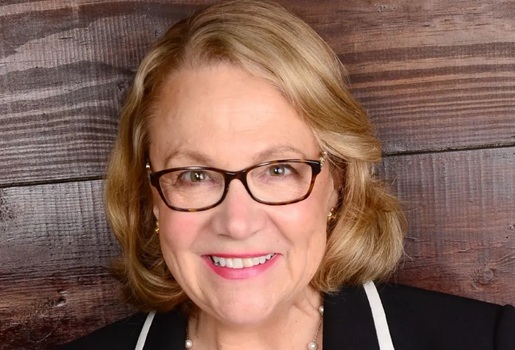
“The Commonwealth has been eagerly waiting social consumption, so we’re proud to move this effort across the finish line,” said Chair Shannon O’Brien. “We look forward to the economic opportunities these new license types will offer to small businesses and entrepreneurs who have been disproportionately harmed by the War on Drugs.”
“This final regulatory package reflects years of stakeholder engagement, research, and policy discussion and deliberation,” said Commissioner Bruce Stebbins, co-chair of the Social Consumption Working Group. “Next steps will include ongoing engagement with municipalities that must opt-in to hosting social consumption and educating residents to ensure the Commonwealth is prepared for this expansion of our $8 billion regulated cannabis industry.”
“Today’s vote marks a long-awaited and carefully considered milestone for Massachusetts’ regulated cannabis industry. By finalizing the Social Consumption license-type, the Commission is honoring the will of the voters who envisioned safe, legal spaces for adult-use cannabis, while maintaining strong safeguards to protect public health and public safety. This achievement represents years of collaboration among stakeholders, policymakers, and communities across the Commonwealth,” said Commissioner Kimberly Roy. “This vote, however, does not conclude the Commission’s work; it begins a new chapter of consumer and public education to ensure this emerging sector operates safely and responsibly.”
“The finalization of these social consumption reforms represents a significant milestone for legal cannabis in the Commonwealth,” said Commissioner Carrie Benedon. “Commissioners and staff have put significant thought and care into crafting a program that will provide economic opportunities for equity participants and small businesses while emphasizing public health and safety.”
“Social consumption offers the Commonwealth significant regional tourism opportunities, safe spaces for those who cannot consume cannabis at home, the ongoing transition of legacy operators to the legal market,” said Executive Director Travis Ahern. “Commission staff have worked hard to support the creation of each license type, and we’re excited to get to work setting up the internal infrastructure that will enable these new businesses to serve Massachusetts residents.”
Following Thursday’s vote and any ministerial changes that may need to be applied to the final draft by the Commission’s Legal team, the new regulations will go to the Secretary of the Commonwealth for review and are anticipated to take effect Jan. 2, 2026. After that date, copies will be available on MassCannabisControl.com, through the Code of Regulations available via the Secretary of the Commonwealth’s website, or by requesting official versions from the State Bookstore.
The three different social consumption licenses include:
- Supplemental, for existing MEs to incorporate on-site consumption into their business location;
- Hospitality, for new or non-cannabis businesses to host consumption activities in partnership with qualifying MEs; and
- Event Organizer, for qualifying applicants and MEs to organize and host temporary consumption events.
The Commission’s new regulations establish comprehensive safeguards to prevent overconsumption and impaired driving, empower municipalities with strong local control, and introduce responsible hospitality measures—including clear product information and expanded food service options—to ensure that Social Consumption Establishments operate safely and responsibly across the Commonwealth. They include:

Overconsumption and OUIs
- No intersection of alcohol or tobacco and tobacco products within licensed spaces/ premises;
- A last call requirement for licensees to cut off service 30 minutes before the latest authorized sales time;
- Special Responsible Vendor Training (RVT) requirements for all Social Consumption Establishment employees with a focus on drug and alcohol impairment recognition;
- Requiring all licensees to have a transportation strategy with local public safety partners’ input to assist impaired consumers;
- Authorizing consumers to take unused product home in an opaque, child-resistant, sealed exit bag to avoid overconsumption on-site; and
- Ensuring licensees’ product menu information includes projected times for onset of intoxication.
Local Control
- Municipalities must opt-in to allow social consumption locally by a referendum, ordinance, or bylaw in accordance with G. L. c. 94G, Section 3(b);
- Social Consumption Establishments will be required to enter into host community agreements (HCAs), even if already operating a separate business under an existing HCA; and
- Host communities can add additional requirements of the local approval process to further shape these establishments per the communities’ interest, e.g., prohibiting the combustion of cannabis products.
Food Service
- For the first time in the Massachusetts industry, this regulatory update will explicitly permit Marijuana Establishments to sell non-infused food and drink items that are pre-packaged and shelf-stable; and
- All Social Consumption Establishments will be authorized to sell non-infused food and drink items that are pre-packaged and shelf-stable, and may also seek permits from local or state authorities to serve non-shelf stable food alongside shelf-stable items.
- Food service options also include delivery services or partnerships with existing and possibly adjacent restaurants or food establishments.
Alongside social consumption, Commissioners also updated existing regulations to make changes requested by stakeholders to increase industry efficiency and effectiveness:
Agent Badging
- Employees, otherwise known as Registered Agents, will only be required to hold one badge per employer that has the same persons or entities with direct and indirect control—a change from the previous practice of maintaining a separate badge for every licensee at which individuals are employed; and
- Independent Testing Laboratory employees will have the opportunity to renew badges every three years, in line with all other Registered Agents.
Waste
- Reducing from two to one the number of Registered Agents required to witness and document that solid waste or organic material containing marijuana has been rendered unusable; and
Incident Reporting
- Requiring that Marijuana Establishments report to the Commission medical events or health and safety emergencies that require local, state, or federal responses—as well as any notices they have received from officials within those jurisdictions indicating a complaint or cited violation related to their operations.
The Commission originally unveiled the three social consumption license types in December 2024 after more than a year of stakeholder feedback. To gather as much input on these proposals as possible, the Commission held an informal public comment period in early 2025, as well as a formal hearing Sept. 8 and secondary comment period, plus months of public meeting deliberation. Commissioners and staff worked together for more than two years to get to this point, holding listening sessions and meeting with prospective business owners, equity licensees, law enforcement, public health groups, municipal officials, and leaders in Massachusetts and other states.
Social consumption was part of the ballot measure approved by voters in 2016 that legalized adult-use marijuana in Massachusetts and was originally incorporated into the Commission’s regulations in 2019. However, critical changes to state law in 2022 were necessary in order to enable municipalities to opt-in to hosting on-site consumption. Following that reform, the Commission’s latest regulatory process could begin towards ultimately promulgating the updated license types, starting with the 2023 removal of a previous social consumption pilot program.
Once the regulations are promulgated by the Secretary of the Commonwealth, the Commission will undergo an implementation process that is anticipated to include several working groups with internal and external stakeholders, the launch of three new license applications in the agency’s online Massachusetts Cannabis Industry Portal, new guidance and staff procedures that will support the creation of the new establishments, a comprehensive public education, and other deliverables.