

Community
Fines aren’t deterring owners as Massachusetts continues to see too many dogs being left in hot cars

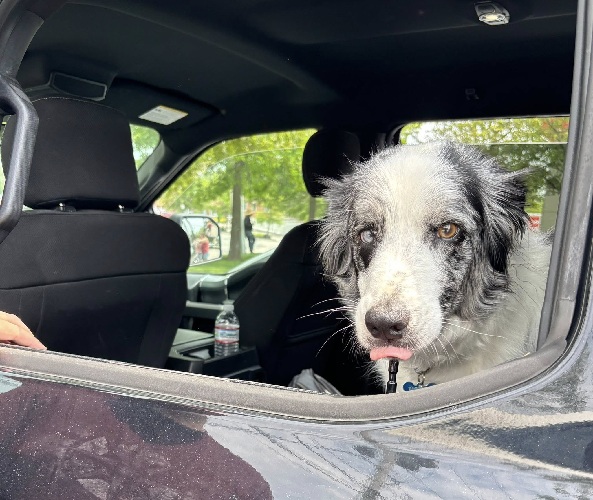
It happens every year in the Bay State and the punishments are clearly not deterring owners. Dogs are being left in hot cars.
In Massachusetts, recent incidents of dogs being left in hot cars have raised concerns as temperatures rise, prompting warnings from local authorities and animal control agencies.
Last week, a dog owner in Dedham was fined for leaving their pet inside a hot car, highlighting ongoing issues as warm weather sets in. Just days later, Dedham officials cited two more owners for leaving dogs in hot cars for a “substantial” amount of time, reflecting a pattern of neglect during the current heatwave.
These incidents align with broader trends, as seen in April 2023 when Dedham Animal Control found five dogs in hot vehicles during unseasonably warm weather, with interior car temperatures reaching dangerous levels despite windows being down.
Massachusetts law, updated in 2016 under “An Act Preventing Animal Suffering And Death,” prohibits leaving animals in vehicles under conditions that threaten their health, such as extreme heat. The law allows bystanders, police, animal control, or firefighters to enter a vehicle to rescue an animal if necessary, provided they attempt to locate the owner and contact authorities first, with immunity from liability.
Sometimes these incidents turn fatal where temperatures inside a car can exceed 100°F within 20 minutes even on an 80°F day, according to veterinary data.

Authorities have emphasized education, noting that even with air conditioning or cracked windows, the risk remains high.
In one June 2025 case, a dog was left in a black car for 30 minutes at 81°F, a color known to absorb more heat, though the pet was safely rescued. Another incident involved a dog left for over two hours in 24°F weather in January 2025, showing that extreme cold also poses risks.
The specific fines are as follows:
- First offense: A fine of not more than $150.
- Second offense: A fine of not more than $300.
- Third or subsequent offense: A fine of not more than $500.
It is important to note that these fines represent the maximum penalty for a civil infraction. In cases where the dog suffers from heat-related stress, the owner must also be charged with animal cruelty, which is a felony offense in Massachusetts.
The fines levied in cases where dogs are left in hot cars don’t appear to be making a dent in the number of cases as we continue to see them year after year in Massachusetts and across the country.