

Community
City of Fall River announces spraying to take place at certain part of the city by Bristol County Mosquito Control Project

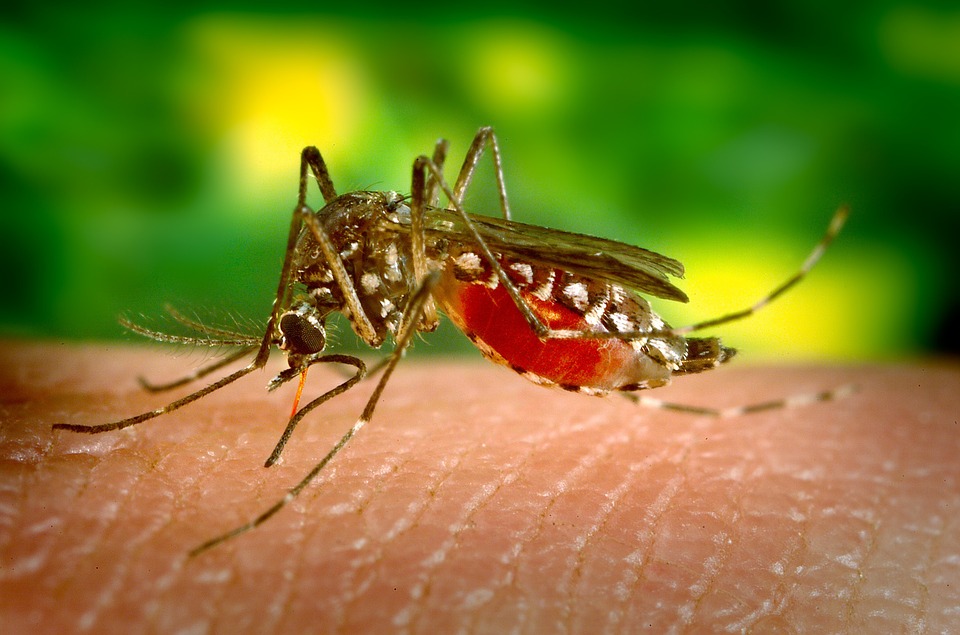
Mayor Coogan and the Fall River Health Department has announced that, weather-permitting, the Bristol County Mosquito Control Project will be spraying the area around Kennedy Park for mosquitoes on Tuesday, August 19th and Friday, August 22nd.
The spraying will be performed in an effort to reduce mosquito populations ahead of the Holy Ghost Feast. BCMCP utilizes a spray truck with an ultra-low volume spray between the hours of 2:00 a.m. to 6:00 a.m. on each of the two days. It contains a man-made pesticide product (sumithrin) similar to the natural components of the chrysanthemum flower. It can also be found in other pesticide products used indoors in pet shampoo and on pets. The active ingredients of the pesticide product generally break down quickly and do not leave a toxic residue.
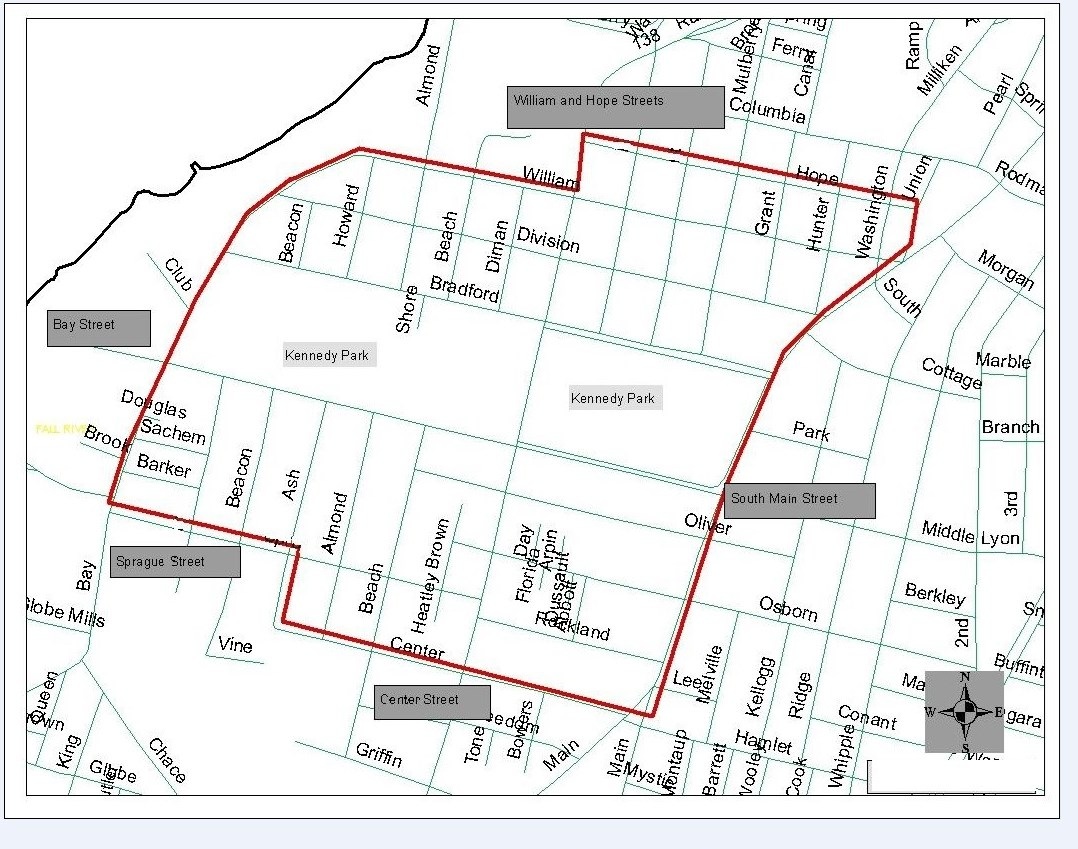
As a precaution, all residents who live in the area may keep their windows closed and refrain from going outside between the hours of 2:00 a.m. and 6:00 a.m. They may also want to shut off air conditioners unless they have a setting for recirculating indoor air. Residents are further advised to rinse any homegrown fruits and vegetables with water and to keep pets indoors during spraying to minimize their risk of exposure. However, pets that remain outdoors would not be expected to experience adverse health effects from the spraying. There are many pesticide products (e.g., flea collars, pet shampoo, dips) containing sumithrin, the active ingredient of DUET ULV, that are used directly on pets to control ticks and insects. Because DUET ULV breaks down quickly in sunlight and water, no special precaution or waiting periods are recommended for outdoor swimming pools or beaches.
People have an important role to play in protecting themselves and their loved ones from illnesses caused by mosquitoes. DPH recommends the preventive measures below.
Avoid Mosquito Bites
Apply Insect Repellent when Outdoors. Use a repellent with an EPA-registered ingredient (DEET (N, N-diethyl-m-toluamide), permethrin, picaridin (KBR 3023), oil of lemon eucalyptus (p-menthane 3, 8-diol (PMD) or IR3535) according to the instructions on the product label. DEET products should not be used on infants under two months of age and should be used in concentrations of 30% or less on older children. Oil of lemon eucalyptus should not be used on children under three years of age.
Be Aware of Peak Mosquito Hours. The hours from dusk to dawn are peak biting times for many mosquitoes. Consider rescheduling outdoor activities that occur during evening or early morning in areas of high risk.

Clothing Can Help Reduce Mosquito Bites. Wearing long-sleeves, long pants and socks when outdoors will help keep mosquitoes away from your skin.
Mosquito-Proof Your Home
Drain Standing Water. Mosquitoes lay their eggs in standing water. Limit the number of places around your home for mosquitoes to breed by either draining or discarding items that hold water. Check rain gutters and drains. Empty unused flowerpots and wading pools, and change the water in birdbaths frequently.
Install or Repair Screens. Keep mosquitoes outside by having tightly-fitting screens on all of your windows and doors.
Protect Your Animals
Animal owners should reduce potential mosquito breeding sites on their property by eliminating standing water from containers such as buckets, tires, and wading pools – especially after heavy rains. Water troughs should be flushed out at least once a week during the summer months to reduce mosquitoes near paddock areas. Horse owners should keep horses in indoor stalls at night to reduce their risk of exposure to mosquitoes. Owners should speak with their veterinarian about mosquito repellents approved for use in animals and vaccinations to prevent WNV and EEE. If an animal is suspected of having WNV or EEE, owners are required to report to DAR, Division of Animal Health by calling 617-626-1795 and to DPH by calling 617-983-6800.
Residents can call the Bristol County Mosquito Control Project at 508-823-5253 for more information on spraying.