
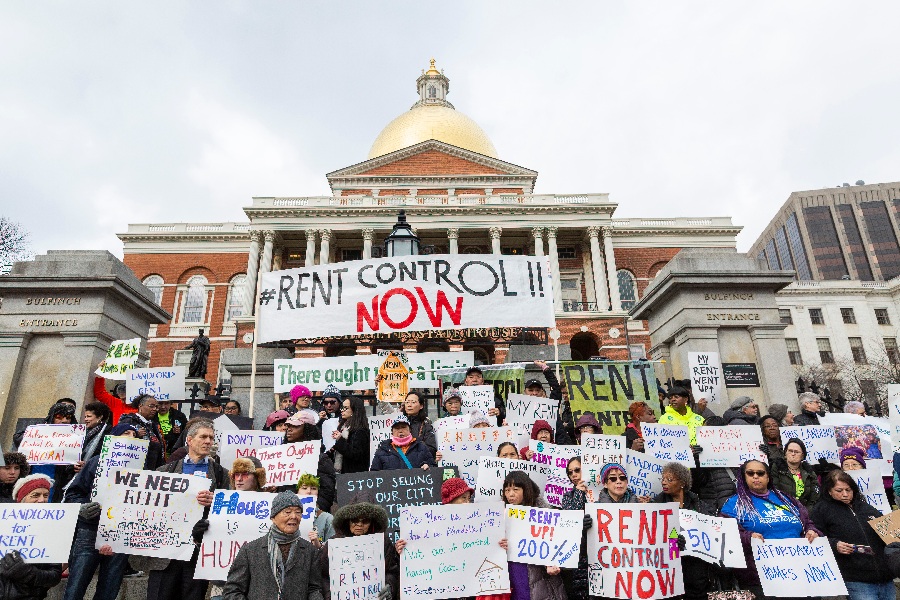
Massachusetts is currently grappling with a proposed ballot initiative aimed at reinstating local options for rent control, which has been banned statewide since a 1994 voter referendum.
This effort, driven by housing advocates amid a severe affordable housing crisis—where over half of renters spend more than a third of their income on housing—seeks to place a question on the 2026 ballot to lift the ban and allow cities and towns to implement their own rent stabilization measures.
The 1994 ban, passed by a narrow margin and heavily funded by the real estate industry, prohibited local rent control policies, leading to unchecked rent increases by corporate investors and contributing to displacement and high living costs in the state.
Massachusetts now has the second-highest cost of living in the U.S., exacerbating out-migration due to unaffordable housing.

Advocates argue that modern rent control, drawing from best practices nationwide, is needed for immediate relief while longer-term housing solutions are pursued.
The initiative, based on legislation like S.1447/H.2328 (“An Act enabling cities and towns to stabilize rents and protect tenants”), would empower municipalities to adopt rent stabilization tailored to their needs.
Sponsored by lawmakers including Sen. Pat Jehlen, Sen. Adam Gomez, Rep. Dave Rogers, and Rep. Sam Montaño, it includes:
- Rent Caps: Limiting annual increases to the Consumer Price Index (CPI) or 5%, whichever is lower (e.g., 2.9% max in 2024 under this framework). Caps apply across tenancies to prevent hikes between renters.
- Just Cause Evictions: Banning no-fault evictions; landlords must have valid reasons like non-payment, lease violations, or refusing allowable rent increases.
- Exemptions: Owner-occupied buildings with four or fewer units, new construction for five years, public/subsidized housing, college dorms, elderly care facilities, and units in educational, religious, or nonprofit-operated buildings.
- Penalties: Potential treble damages under Chapter 93A for violations.