STATE HOUSE, BOSTON, April 27, 2026…..House Democrats previewed Monday their arguments against tax cut proposals that are advancing towards November’s ballot to their great consternation, arguing that the level of financial uncertainty makes this “a time when we must protect as many revenue streams as possible.”
A handful of Republican amendments to the Ways and Means Committee’s fiscal year 2027 budget plan served as proxies for the ballot initiatives to cut the state income tax rate from 5% to 4% over three years and also to cap state revenue collections. Representatives have to deal with such revenue amendments before they can move onto the rest of the 1,737 amendments they must dispense with before passing the budget this week.
The Massachusetts Taxpayers Foundation said there were 18 tax-related outside policy amendments filed to the budget, carrying a fiscal impact of more than $1.7 billion. But as they also worry about eroding federal supports, the real impact that House Democrats are fretting is the potential for the income tax cut ballot question to make about $800 million less available to the state budget that representatives will pass this week.
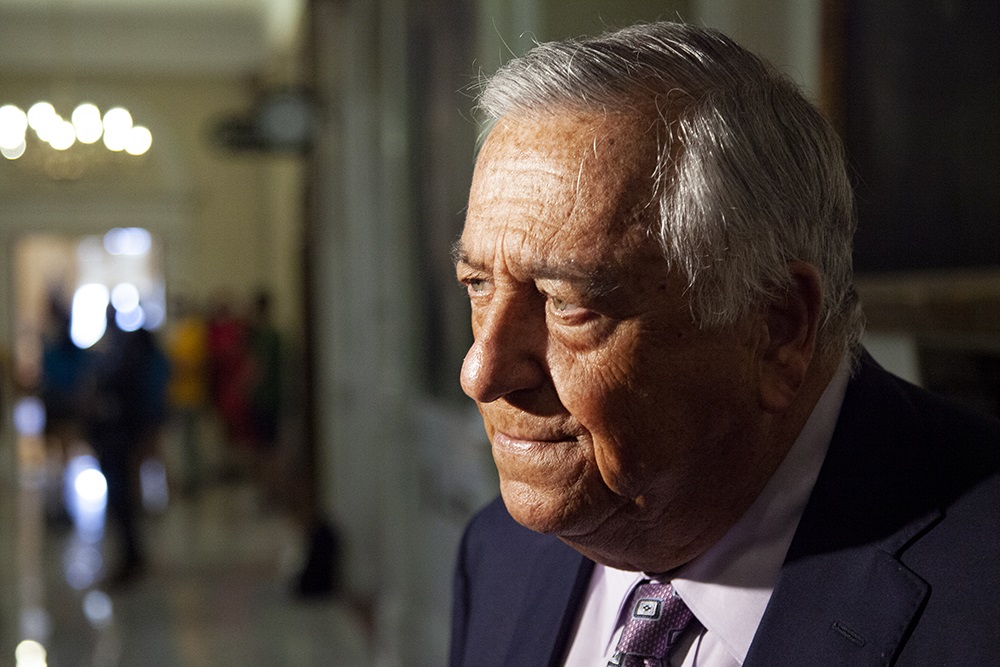
House Speaker Ron Mariano has said if the question passes in November, “we will have no choice but to make significant budget cuts to services and programs that our residents rely on.” He also said that he would consider tax hikes should the income tax rate cut question pass, and expressed a willingness to negotiate over possible alternatives. Ways and Means Chairman Aaron Michlewitz alluded to the ballot initiatives in his introductory remarks Monday, including them among “several unknown storm clouds that could have dramatic impacts.”
Similar to ideas the House rejected a year ago, Rep. Marc Lombardo of Billerica proposed amendments to reduce the state sales and incomes tax rates. He argued that they would be a way to provide direct relief to constituents, and more immediately in the case of the sales tax cut.
“Families across the commonwealth are feeling the squeeze, from groceries to school supplies to everyday essentials. Lowering the sales tax provides immediate, broad based relief to working families, seniors and small businesses, but it’s also about keeping Massachusetts competitive, a state where we rank 50 out of 50 in job creation,” Lombardo said. “When our sales tax is higher than or out of touch or out of step with our neighboring states, we’re effectively encouraging residents to shop elsewhere. I see people from my district going to New Hampshire all the time.”
Rep. Adrian Madaro of East Boston, the House chairman of the Revenue Committee, called the sales tax cut “fiscally irresponsible” and said it would cost the state “roughly $2 billion.” He said a bill that would “accomplish substantially the same goal” got a hearing before his committee in September “and received no supporting testimony.”
Representatives rejected the sales tax rate cut amendment with a 25-118 party-line vote.
Lombardo made much of the same argument when he got to pitch his amendment to lower the state income tax rate from 5% to 4%. He took issue with Madaro’s characterization of the tax cut as irresponsible.
“I find it a little funny that every time we take money from the taxpayers, that’s the responsible thing to do. But when we make the case that we should give money back to the taxpayers or not take as much from them, that’s irresponsible. I flat out reject that notion,” the Billerica Republican said.

Madaro responded by claiming the income tax cut is “fiscally unsound” and would be “categorically unwise to implement, especially at a time when Massachusetts is at a flashpoint defending against hefty tax cuts at the federal level.” Various estimates peg the impact of an income tax rate reduction at around $5 billion.
“I encourage my colleagues to continue to engage in meaningful conversations surrounding the affordability concerns that are putting mounting pressure on the residents of the commonwealth. Lowering the income tax rate at this time will do almost nothing to assuage these concerns and severely damage the state’s long term ability to support its residents,” Madaro said. “A state which cannot adequately provide for the needs of its constituents is not competitive in the slightest.”
At another point, Madaro argued that the House needs to “protect as many revenue streams as possible to mitigate upcoming fiscal difficulties.” Rep. David Linsky of Natick jumped into the debate and colored the Democratic response with wisdom from his father.
“Look, we would all like to cut taxes. We would all like to not have to pay any taxes. But it really, truly is about responsibility. Less taxes out of the Massachusetts state income tax, here’s what it means: It means less Chapter 70 [school aid] back to our cities and towns, it means less local aid back to our cities and towns, it means less for all of the programs and services that our constituents rely on,” he said. “You know, my father always taught me the money has to come from somewhere. It would be easy to say, ‘Cut this tax, cut this tax, cut that tax.’ But sometimes we just can’t do it.”
Lombardo’s income tax cut amendment was rejected with a 25-125 party-line vote, but it was clear in the House Chamber that representatives had plenty more to say about the topic: Democratic Rep. Russell Holmes of Boston and Republican Rep. John Gaskey of Carver were both standing at their desks seeking to be recognized when Speaker Pro Tempore Kate Hogan called the vote.
The revenue amendment preamble to the House budget debate extended from November ballot politics to kitchen table concerns, including a previously-rejected proposal from Southwick Republican Rep. Nicholas Boldyga to suspend the state gas tax until prices come down at the pump.
Madaro said forgoing revenue collected from the state’s 24-cents-per-gallon gas tax while gasoline remains taxed at the federal level by every single state “would be akin to Massachusetts shooting itself in the foot.” That amendment was shot down 25-124.
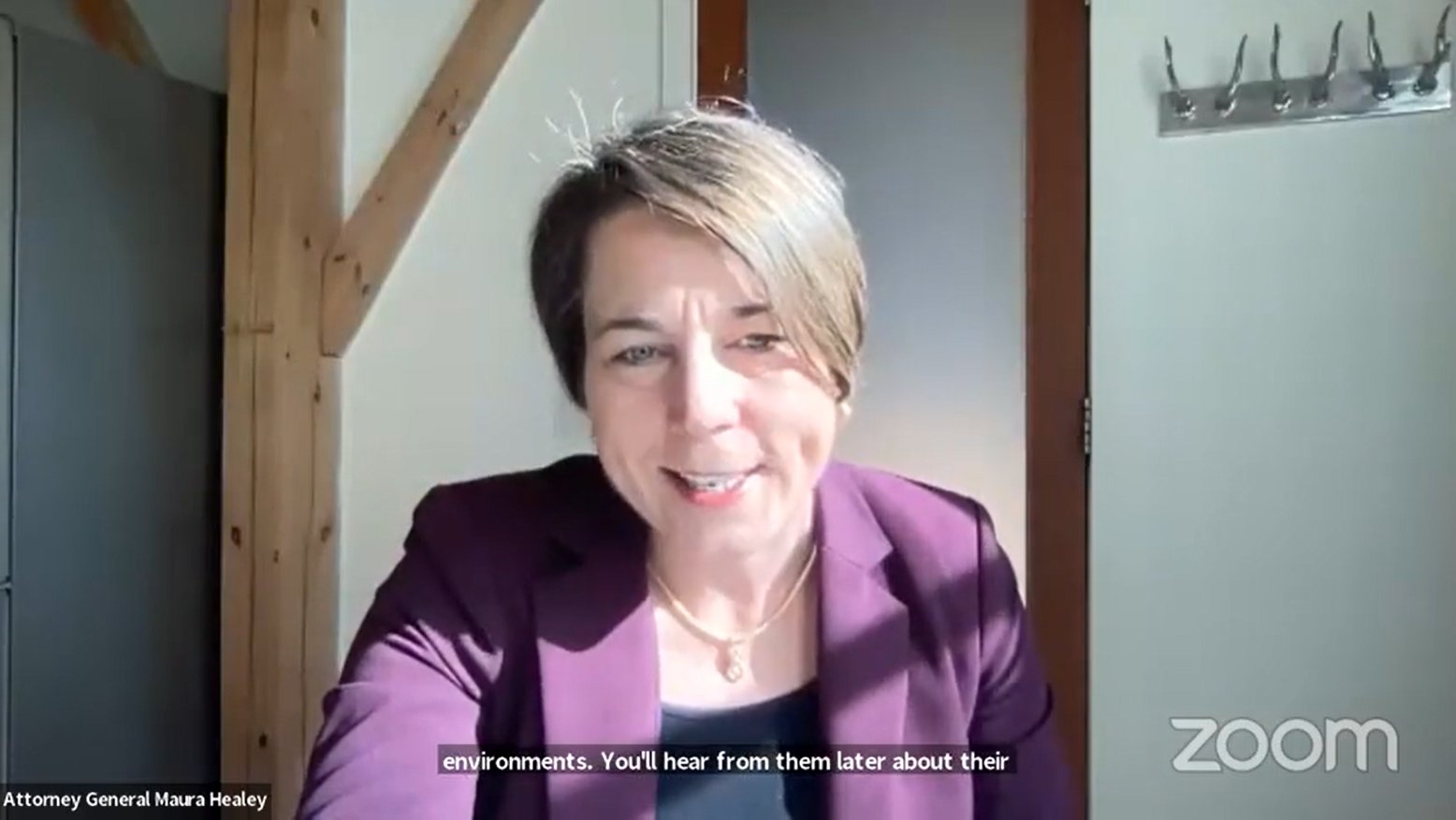
Republican candidate for governor Brian Shortsleeve seized on Monday’s House votes, saying if elected he would “focus like a laser on reducing costs for cash-strapped working families through tax relief, cutting expensive red tape, and rolling back all of Maura Healey’s budget-busting ‘green fees.'”
“This vote-o-rama of higher costs on working families is exactly why there’s a tax cut on the ballot this year, because voters don’t trust Beacon Hill politicians to do their jobs and provide critical relief,” Shortsleeve said. He added, “Massachusetts is unaffordable and uncompetitive because of high taxes, burdensome regulations, and skyrocketing energy costs, and today’s votes prove nothing is going to change as long as the same people are in charge.”
Representatives also rejected attempts to exclude up to $25,000 in tipped income from taxation, to exclude from gross income calculation any income from 401(k) distributions for taxpayers older than 69 and a half years, and to increase the annual cap for the Conservation Land Tax Credit and expand eligibility for it.
Colin Young is the deputy editor for State House News Service and State Affairs Pro Massachusetts. Reach him at colin.young@statehousenews.com.